






A Brief History of Coal Mining
Coal mining has been an essential part of human progress for centuries, fueling industries, economies, and societies. Its history spans thousands of years, evolving from primitive surface collection to complex underground extraction.
Ancient Use
Coal’s use dates back over 3,000 years. The Chinese were among the first to use coal for heating, while the Romans mined it in Britain around the 2nd century AD. However, it remained a relatively minor energy source until the Middle Ages.
Middle Ages to the Industrial Revolution
By the 12th century, coal was mined in small quantities in Europe, especially in England. As wood became scarce, coal gained importance. The real boom came during the Industrial Revolution (18th–19th centuries), when coal became the backbone of industrial power — driving steam engines, powering factories, and heating cities.
19th and 20th Centuries
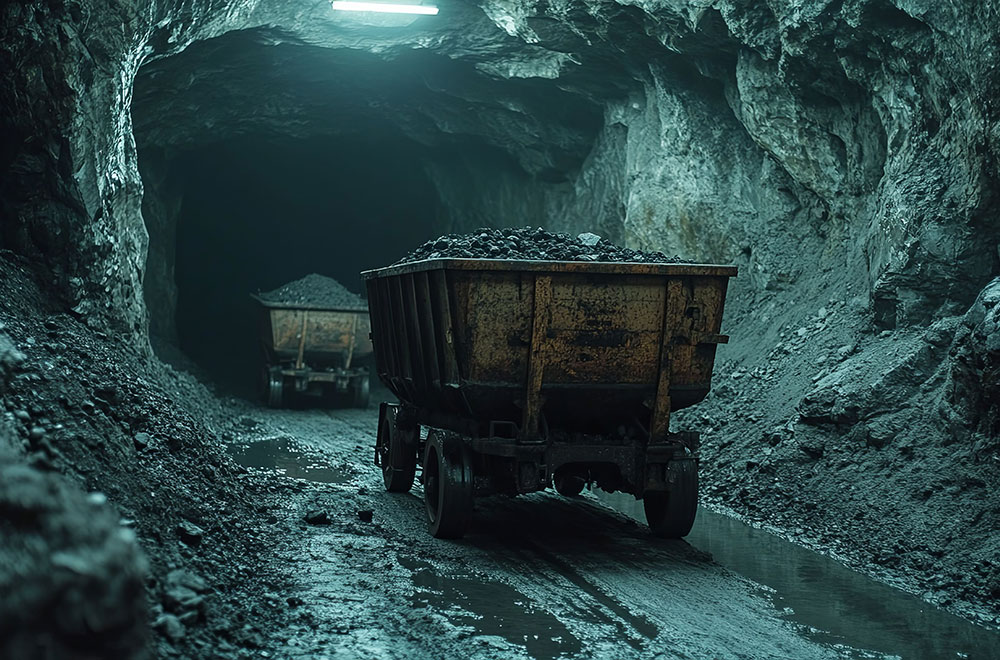
The 1800s and early 1900s marked the peak of coal mining. Countries like Britain, the United States, Germany, and later China, heavily relied on coal to fuel economic expansion. It also played a critical role in railways and steel production. However, mining conditions were often dangerous, leading to labor movements and early mine safety regulations.
Modern Era and Decline
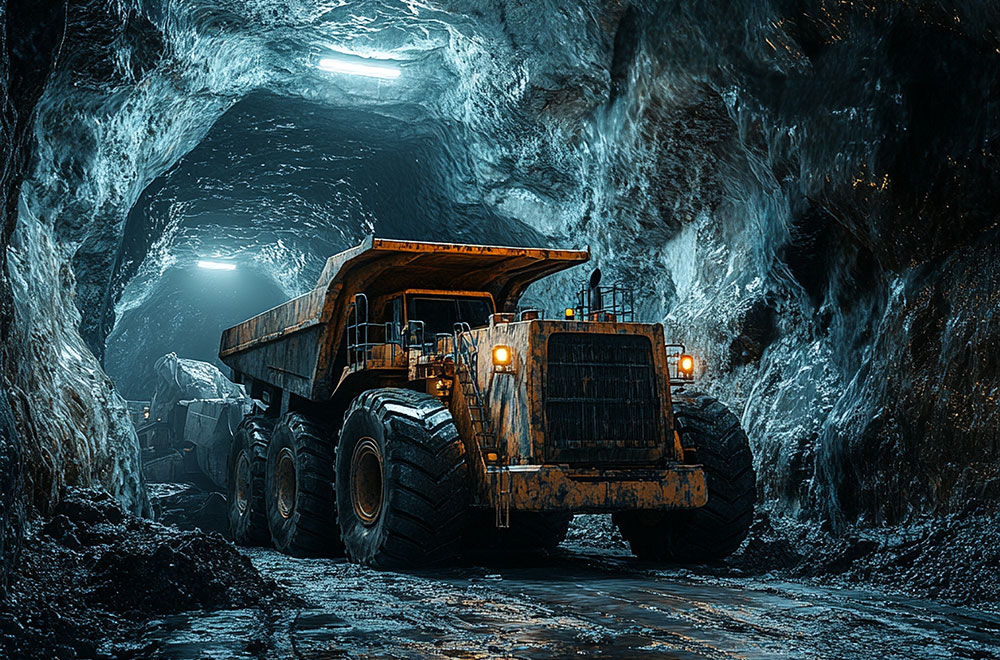
In the late 20th century, coal began to decline as cleaner energy sources — natural gas, nuclear, and renewables — grew. Environmental concerns about carbon emissions and climate change accelerated this shift. Despite this, coal remains significant in countries like China and India for electricity generation.
Today
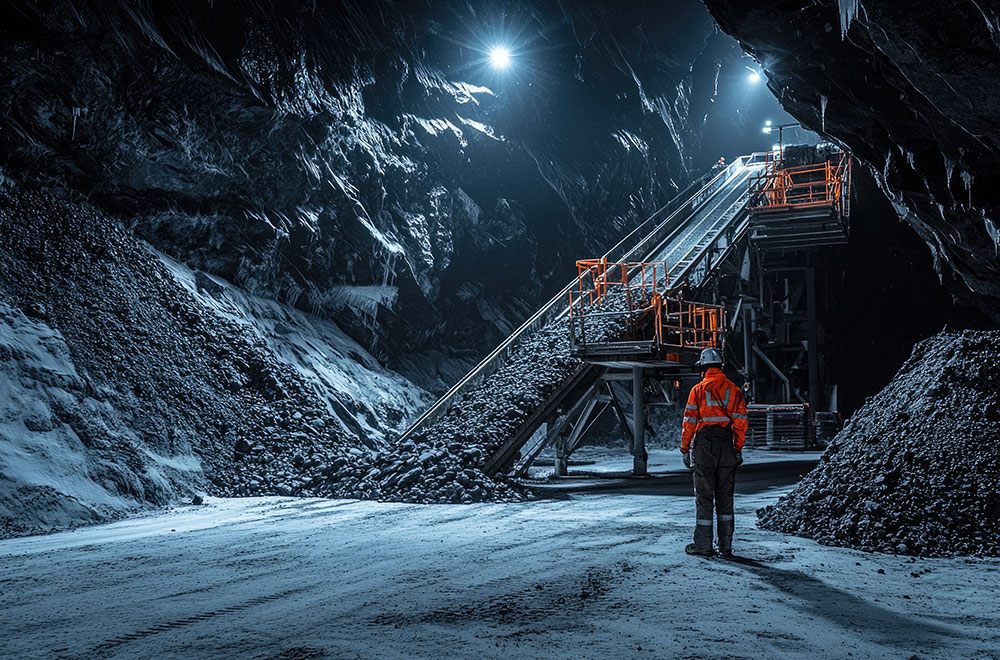
While coal use is decreasing in many developed nations, it still accounts for a major share of global energy in some regions. Technological advances, such as clean coal and carbon capture, aim to make its use more sustainable, though long-term viability remains uncertain.